English| EUR
Suggested for you
More currencies
Choose a language
This guide covers when the festival runs, what entry costs, and how to plan your visit to one of Malta's premier wine events.
Quick answer
Entry to the festival grounds is free, but wine tasting requires purchasing a commemorative glass and tokens separately. The festival operates year-round with the same weekly schedule, though specific wine selections rotate seasonally. Arriving between 18:00 and 19:30 ensures you secure a comfortable spot before peak crowds gather later in the evening.
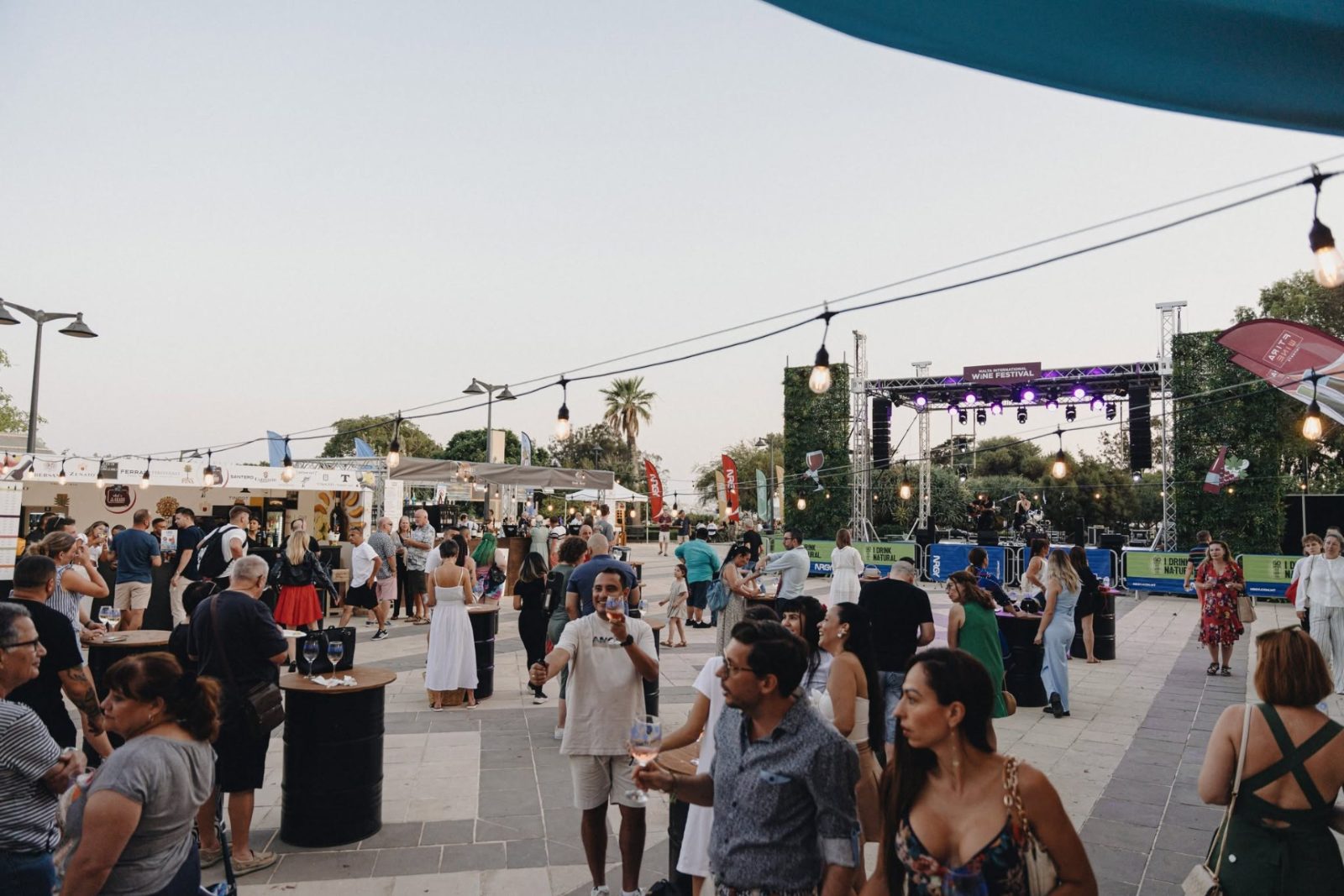
Malta's wine industry produces fewer than two million bottles annually, yet the island hosts one of the Mediterranean's most accessible wine festivals. The wine tasting festival Malta brings together local vintners and international importers in a single garden venue, allowing visitors to sample dozens of wines without booking multiple winery tours across the archipelago. The festival model differs from traditional winery visits. Instead of guided tours or seated flights, you purchase a souvenir glass and tokens at the entrance, then move freely between stalls representing Maltese estates and import partners. Each token buys a tasting pour, typically 50–75ml, and most visitors budget eight to twelve tokens for a thorough sampling session. Local producers pour Girgentina and Gellewza—indigenous Maltese varietals rarely found outside the islands—alongside international benchmarks that help contextualize Malta's emerging wine profile. The token system prevents overconsumption while letting you curate your own tasting arc, whether you focus on a single producer's range or compare styles across multiple exhibitors. The festival's Wednesday-through-Sunday schedule reflects practical demand rather than arbitrary tradition. Midweek evenings draw a local crowd of regulars who know which stalls pour which styles, while weekend sessions attract tourists combining the festival with day trips to nearby Valletta. The consistent 18:00 opening means you can plan around other daytime activities—the gardens sit a short walk from Valletta's fortifications and the Three Cities ferry terminal. Most stalls remain stocked until 23:00, though the final hour sees diminished selection as popular bottles sell out. The festival does not operate a reservation system; queues form at the entrance during peak weekend hours between 19:30 and 21:00, but move steadily as the token-purchase process takes under two minutes per group. Malta's compact geography makes the wine tasting festival Malta a practical addition to any itinerary longer than two days. The festival does not require advance planning beyond checking the weekly closure days—Monday and Tuesday—and budgeting roughly two hours for a comfortable visit. Serious enthusiasts often return multiple evenings to explore different producers, while casual visitors treat it as a single-session introduction to Maltese viticulture before moving on to the island's ancient temples and coastal fortresses.
Entry to the Wine Tasting Festival Malta is complimentary for all visitors. To participate in wine tastings, guests must purchase a branded glass and a set of tokens.
The most effective way to experience the festival is to visit during the recommended arrival window of 18:00–19:30. Arriving early allows guests to secure a comfortable spot and avoid longer queues as the evening progresses.
Dry and warm
Visiting between Wednesday and Thursday typically results in lower attendance compared to the weekend.
Dry and warm
Friday through Sunday experience peak attendance as local crowds increase significantly.
20°C to 28°C
The festival generally takes place in late summer, offering consistent Mediterranean evenings suitable for outdoor tasting.
Verdict: For the most relaxed atmosphere, aim to arrive between 18:00 and 19:30 on Wednesday or Thursday.
Prepare for a relaxed evening of Maltese wine by ticking off these essentials before you go.
Everything you need to know about wine tasting festival malta